Healthy lifestyle guide · 24 Sep
Everyday habits that support men's health
Supplements sit at the edge of a daily routine, not the centre. Food, movement, sleep and water do more of the work — each of these four is written for adult men living and working in Indonesia.
Eight habits, in order of how much they do for you.
Keep the list short. Two habits held beat six abandoned.
Today's row
Everything below is written for adult men in Indonesia, where heat, humidity and long commutes shape the day more than any training plan does.
Start here
Start with the plate, not the bottle
A simple frame works better than a strict diet: protein at breakfast, vegetables at two meals, and fruit as the default snack. Rice is fine. The goal is that your meals are varied enough that a supplement is filling gaps rather than carrying the load.
If you eat out often — and in Jakarta, most weeks include a warung lunch and a late dinner — add one vegetable dish to the order rather than trying to change everything at once. Small additions survive; full overhauls usually last about ten days.
- A protein at every meal, not only at dinner
- Vegetables at two meals most days
- Fruit as the default snack, not a rule to obey
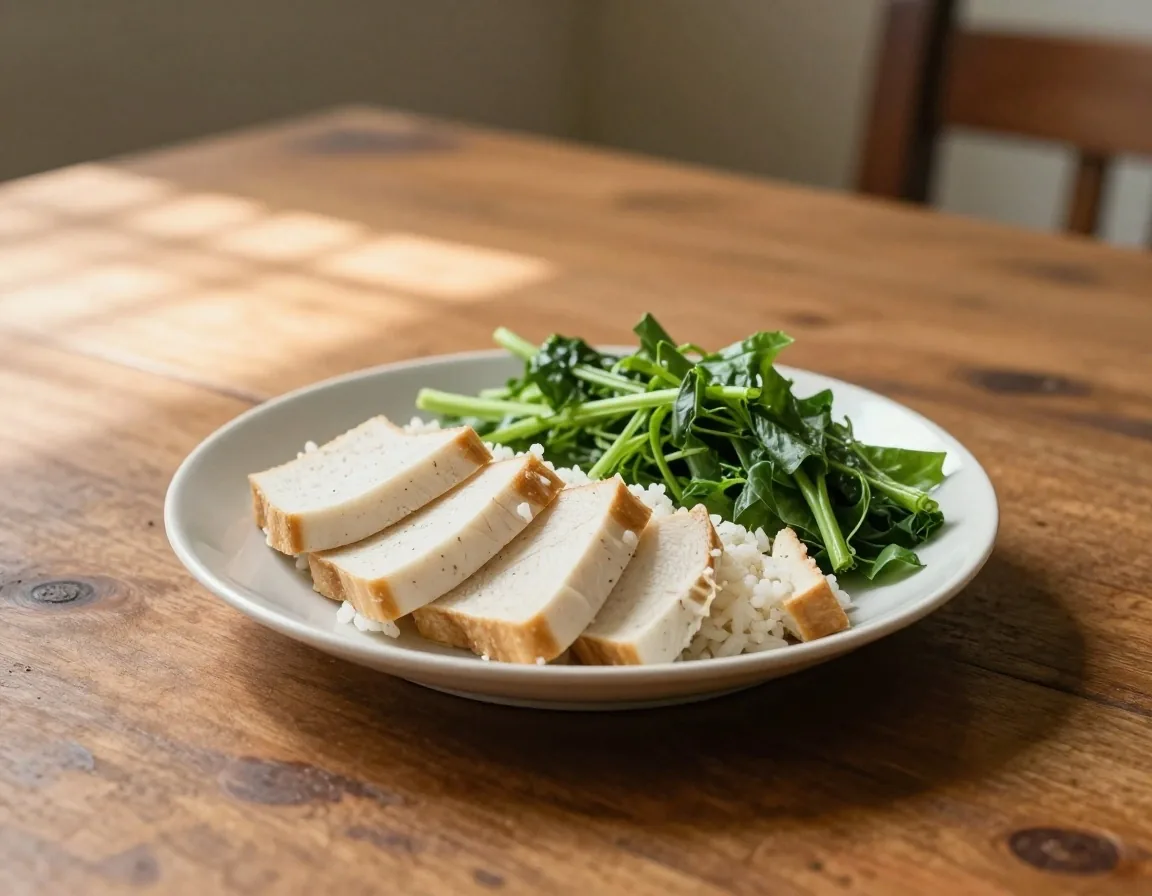
Protein through the day
Most men get enough at dinner and too little earlier. Spread it out instead.
Local options are cheap and easy: tempeh, tofu, eggs, fish and chicken. You do not need powders for this. Shakes are a convenience for a packed morning, not a requirement — and they sit badly if they replace the meal instead of filling in for it.

Movement
Movement that fits an Indonesian week
Thirty minutes most days is the general target, and it does not have to be a gym session. Walking before the heat builds, cycling short distances, or a bodyweight routine at home all count. If your job is physical, you already have part of it — add stretching and mobility work rather than more load.
- 01Walk early, before the humidity takes the morning
- 02Cycle the short trips instead of taking the car
- 03Ten minutes of stretching when the job is already physical
Consistency beats intensity, especially in the first two months. Two short walks a day hold better than one heroic session each weekend.
Sleep
Sleep timing matters more than sleep gadgets
Going to bed and waking at roughly the same time does more for daily energy than any tracker. Aim for seven to eight hours and keep the room dark and cool — a fan moving air matters more here than a low thermostat setting.
If you work shifts, protect the sleep block you do have and avoid caffeine close to it. This is the single habit most men underrate, and it costs nothing to adjust.
7–8h
the target range
Same time
weekends included
Hydration
Hydration in a hot, humid climate
Thirst arrives late here. Start the day with a glass of water, keep a bottle within reach at work, and drink more on days you are outdoors or commuting long distances. Pale urine is a rough, useful check — not a precise measure, but it tells you enough.
During fasting months, plan water intake across the non-fasting hours rather than trying to catch up at night. Spreading it out through the evening works better than a large amount just before bed.
- One glass on waking, before coffee
- A refillable bottle at the desk, not a distant cooler
- More water on outdoor or commuting days
Alcohol, smoking, and small trade-offs
02Neither needs a lecture. The practical point is that both reduce sleep quality and affect how you feel the next morning, which is exactly the energy most men are trying to protect. Cutting back by one drink or one cigarette a day is a change that sticks better than a dramatic pledge.
If you want to stop entirely, a doctor can outline the options. That is a practical step, not a dramatic one.

A screen-free wind-down hour, kept at the same time.
Stress
Stress and the working week
Long commutes and tight deadlines show up in sleep and appetite before anything else. Two things help: a fixed wind-down period without a screen, and one block of the week reserved for something you actually enjoy.
This is not a wellness slogan — it is what keeps a routine from collapsing after a bad month. Build the buffer in advance rather than after the fact, because a routine that only works in good weeks is not a routine.
If the working week runs long by default, cut the plan down rather than abandoning it. Two habits kept through a hard month are worth more than six kept for ten days, and the routine can be widened again when the month eases.
Where it fits
Where a supplement fits
After food, sleep, movement and water, a daily men's formula or an energy blend can cover gaps. Natural supplements for men are meant to support a routine that already works — vitamins and minerals for men fill in where meals vary, they do not replace the meals.
Our men's vitamin formulas page explains how to compare the options side by side: what is in each formula, how many capsules a day, and which ingredients are there for energy support rather than for a specific gap.
These products are dietary supplements, not medicines. They are intended to support a healthy routine and are not a substitute for a varied diet or for advice from a qualified professional.
Build the routine
Building the routine in three weeks
01
Week one
Pick one habit and attach it to something you already do. Breakfast is the easiest anchor, because it happens whether or not the day goes well.
02
Week two
Add a second habit and keep the first. Two changes at a time is the working ceiling for most people — a third usually pushes the first two out.
03
Week three
Review what held and drop what did not. A supplement fits naturally here, because taking it with breakfast is a single, repeatable action rather than a new decision each day.
Natural capsules for strength and vitality belong at the end of that list, not the start. When the meal, the movement, the sleep and the water are steady, a men's vitamin formula or an energy formula has something to support.
Questions about starting
Short answers to the things men ask most often before changing a routine or adding a supplement to it.
Do I need a supplement to eat well?
No. Food comes first, and a varied plate covers most of what an adult man needs. A daily formula is useful when meals are repetitive, when you travel often, or when the working week makes a full plate hard to arrange — it fills gaps rather than carrying the load.
When should I take it?
With a meal, at a time you will actually remember. Breakfast works for most men because it is the one meal that happens before the day gets busy. Attaching the capsule to a meal you never skip beats setting a reminder for a specific hour.
Can I take more than one product at a time?
Stacking several products hoping for a combined effect is the most common mistake. Pick one formula and hold it for a few weeks so you can tell whether the routine, the meals and the sleep are doing the work. If you take prescription medicine, check with a pharmacist before adding anything.
How long before a change shows?
Sleep and hydration respond fastest, often within a week. Meal changes take longer to feel normal and longer again to hold without thinking about them. Give the whole routine three weeks before judging it — that is roughly the span this guide is built around.
Is the routine different during fasting months?
The habits stay the same, the timing moves. Plan water across the non-fasting hours instead of catching up at night, shift movement to the cooler part of the day, and keep the supplement attached to whichever meal becomes your anchor meal.
Where to go next
Keep the routine, then choose the formula
Once the meals, movement, sleep and water are steady, the supplement decision is much smaller. Compare what is inside each men's vitamin formula, check how many capsules a day it asks for, and look at which ingredients are included for energy and endurance support rather than for a single gap.
Questions, and a slower answer
- [email protected]
- +62 21 5140 2789
- Jl. Jenderal Sudirman No. 52, Jakarta 12190, Indonesia
- Monday to Friday, 09:00–18:00 WIB
Dietary supplements support a healthy routine. They are not medicines, and they are not a substitute for a varied diet or for advice from a qualified professional.